Accessible Chauffeured Service: 5 Key Questions to Ask
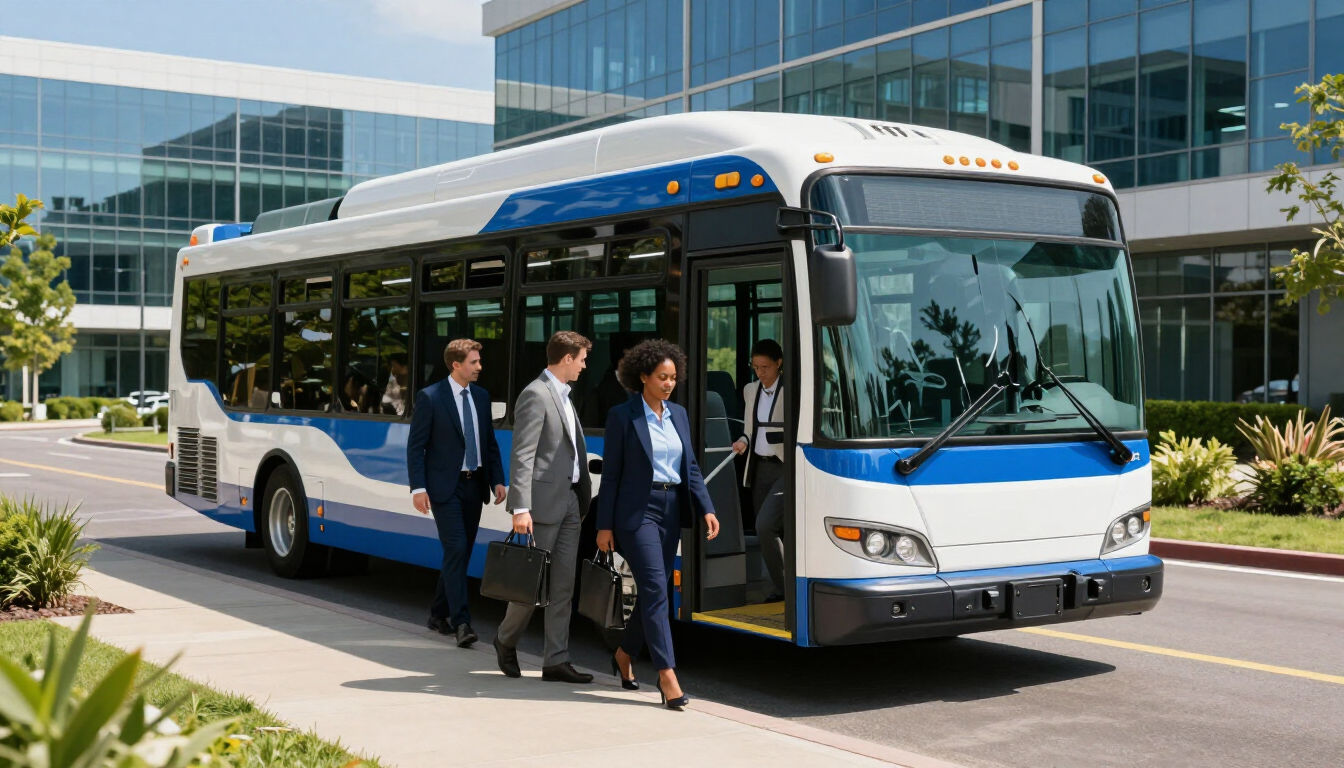
An accessible chauffeured service provides professional transportation featuring specialized vehicles equipped with ramps or lifts to accommodate passengers with mobility challenges. Designed for safety and dignity, these services include trained drivers who assist with boarding, wheelchair securement, and navigating entry points, ensuring a seamless travel experience for seniors and individuals with disabilities.
What is an accessible chauffeured service?
When we talk about an accessible chauffeured service, we are referring to more than just a ride from point A to point B. It is a comprehensive mobility solution tailored for individuals who require more than what a standard sedan or SUV can offer. For many seniors and their families, transportation is the bridge to community involvement, medical care, and social events. However, if that bridge isn't built with accessibility in mind, it becomes a barrier.
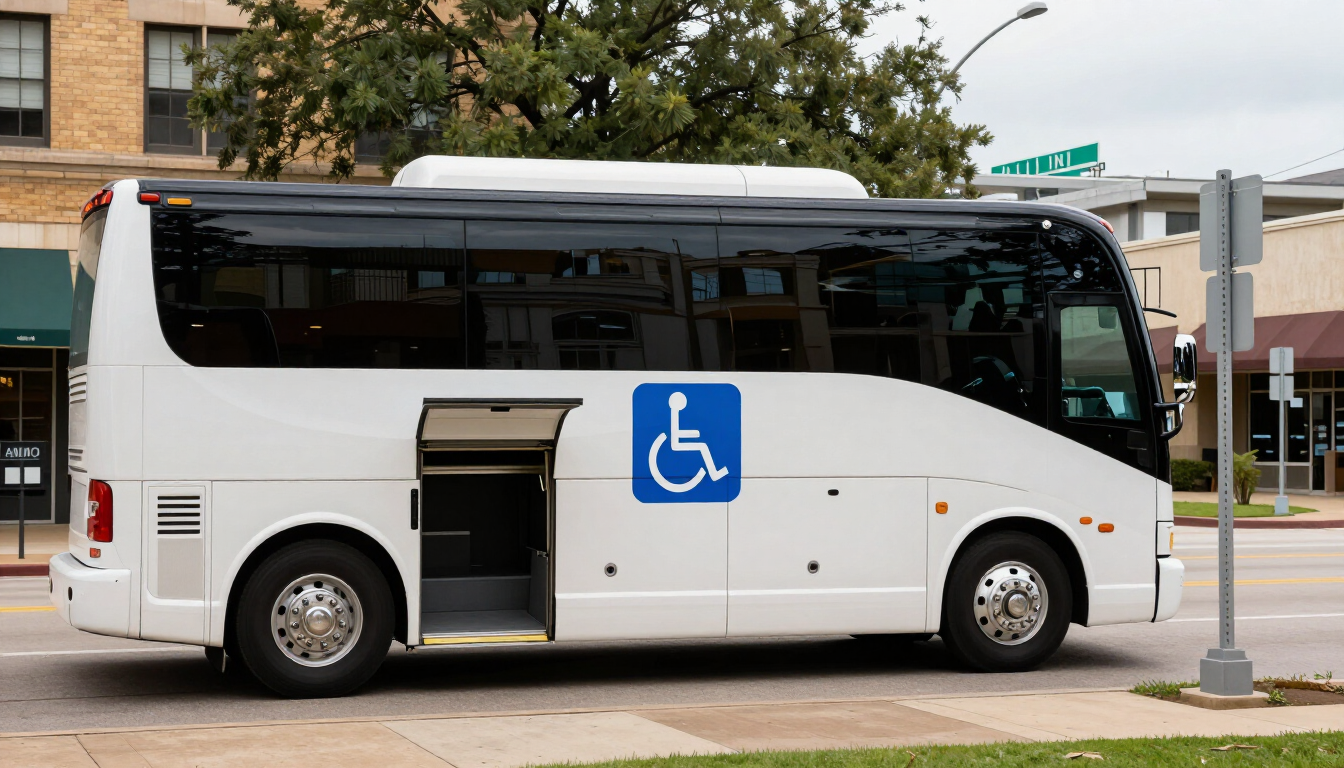
These services utilize a diverse fleet of vehicles that range from modified minivans to full-sized luxury coaches. The common thread is the inclusion of ADA-compliant features such as hydraulic lifts, low-profile ramps, widened doorways, and specialized tie-down systems. Unlike standard rideshare options, a professional accessible service employs chauffeurs who are specifically trained in sensitivity, safety protocols, and the physical requirements of assisting passengers with limited mobility. This ensures that every trip is handled with the highest level of care and professionalism.
Does the vehicle have specific wheelchair accommodation?
One of the first and most vital questions to ask is if the vehicle can accommodate your specific wheelchair or mobility device. Not all "accessible" vehicles are created equal. Some may only be suitable for manual wheelchairs, while others can handle large, heavy motorized power chairs.
When you are booking your transport, you should clarify the following details regarding wheelchair accommodation:
- Weight Capacity: Can the lift or ramp support the combined weight of the user and the chair?
- Dimensions: Is there enough head clearance and floor space for a reclining or extra-wide power chair?
- Securement Points: Does the vehicle use a four-point tie-down system to ensure the chair remains stationary during transit?
- Interior Maneuverability: Is there enough room for the passenger to be positioned comfortably without feeling cramped?
- Oxygen Tank Storage: If the passenger requires supplemental oxygen, is there a secure spot for the tanks?
Raising these needs at the time of booking prevents the heartbreak of a vehicle arriving that simply cannot safely transport the passenger. It allows the logistics team to assign a vehicle that matches the exact physical requirements of the rider.
Understanding Entry Assistance and Boarding Equipment
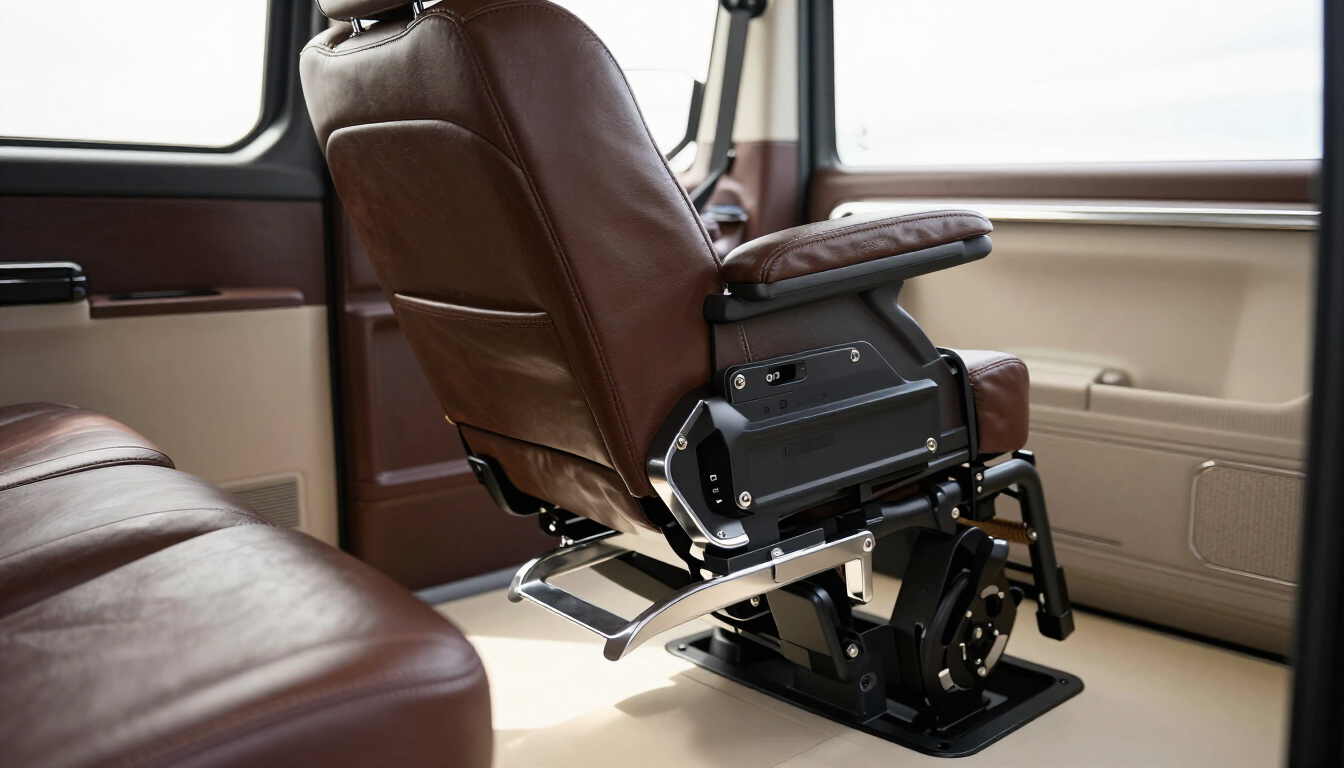
Entry assistance is the cornerstone of a high-quality accessible chauffeured service. For many seniors, the most stressful part of the journey isn't the drive itself, but the act of getting into and out of the vehicle. You should ask the provider exactly what kind of equipment they use and what level of physical assistance the chauffeur provides.
Some vehicles utilize ramps, which are ideal for manual wheelchairs and users who can walk short distances but struggle with high steps. Others use hydraulic lifts, which are essential for heavy power chairs or individuals who cannot navigate any incline. It is also important to ask about the chauffeur's role. A professional service, like those offered by TMI, ensures that the driver is trained to provide a steadying hand or to operate the lift mechanism with precision. This level of safety protocol is what distinguishes a luxury service from a basic transport provider.
Knowing the entry method helps the family prepare. For example, if a ramp is used, the chauffeur will need a flat, clear area to deploy it. If the pick-up location has a narrow driveway or a steep curb, the logistics team needs to know this in advance so they can plan the safest boarding spot. By discussing entry assistance early, you ensure that the arrival of the vehicle is a moment of relief, not a logistical headache.
Why should you request extra boarding time?
Standard transportation services often operate on tight, back-to-back schedules that leave little room for delays. However, mobility assistance transportation requires a different pace. When you book an accessible chauffeured service, you should always ask if the schedule allows for extra boarding and deboarding time.
Seniors with mobility issues often move at a slower pace, and rushing can lead to anxiety or, worse, physical injury. A quality provider understands that it takes time to:
- Deploy the ramp or lift safely.
- Carefully navigate the passenger into the vehicle.
- Ensure all wheelchair locks and seatbelts are fastened correctly.
- Allow the passenger to get settled and comfortable before the vehicle moves.
- Repeat the process in reverse at the destination.
By building in an extra 15 to 20 minutes for the boarding process, you remove the pressure from the passenger. This results in a much more pleasant experience, allowing the rider to feel like a guest rather than a cargo item being rushed through a process. When you request a quote , be sure to mention that you prefer a schedule that prioritizes comfort and safety over speed.
What are the policies for companions and caregivers?
Traveling alone can be daunting for someone with mobility challenges. Most families prefer that a caregiver, spouse, or adult child travel alongside the senior. Before you finalize your booking, ask about the companion policy and the seating configuration of the vehicle.
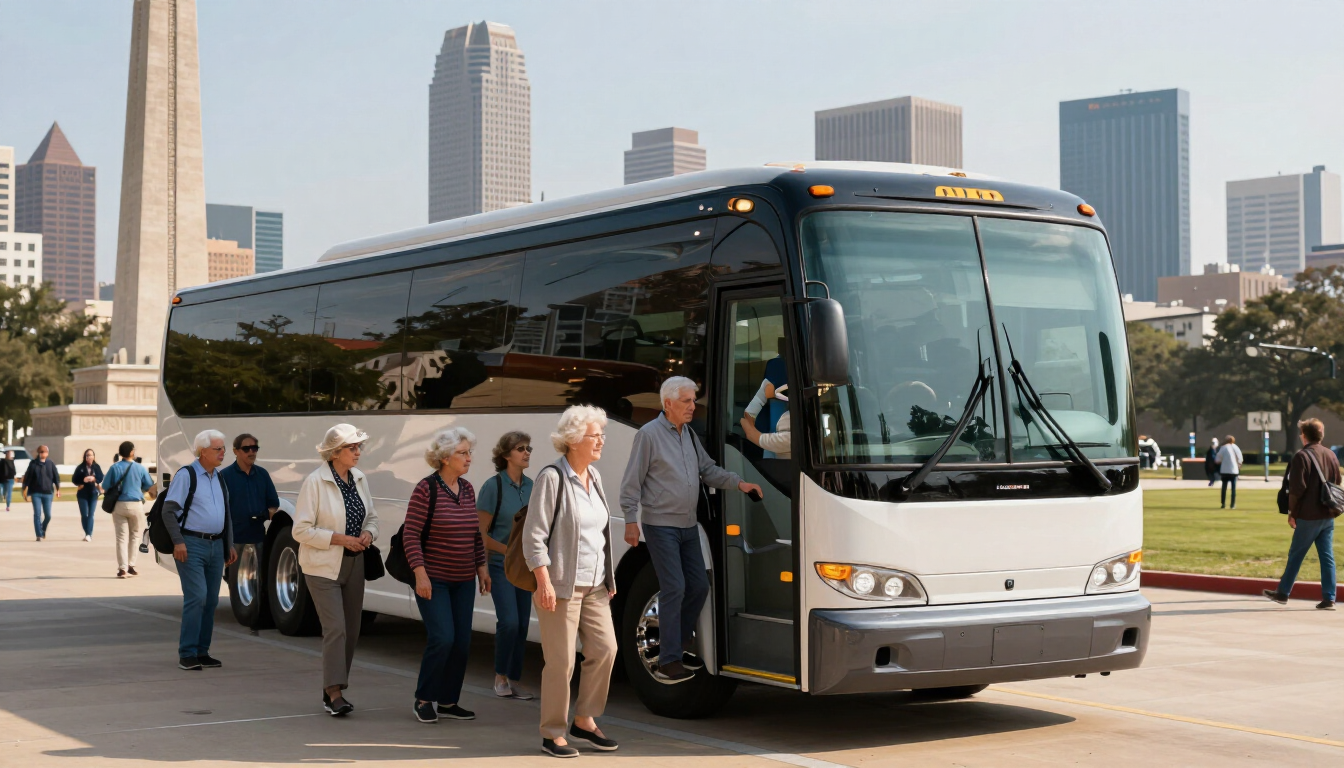
In many accessible shuttles, the wheelchair position is situated in a way that allows a companion to sit directly next to or behind the passenger. This proximity allows the caregiver to provide emotional support or physical assistance during the ride. You should verify if there is an additional charge for companions and how many people can realistically fit in the vehicle alongside the wheelchair user. For larger families or groups, you might even consider charter bus options that offer full accessibility while seating dozens of additional passengers.
Communicating specialized needs during booking
Effective communication at the time of booking is the best way to guarantee a successful trip. Don't be afraid to be specific. The logistics team at a professional Luxury Shuttle Service would much rather have too much information than too little. When you call to book, have a checklist ready to share.
Tell the coordinator about the specific nature of the mobility challenge. Is the rider prone to motion sickness? Do they need the climate control set to a specific temperature? Are there cognitive issues, like dementia, that require the chauffeur to use a particularly calm and clear communication style? These details allow the provider to select the best chauffeur for the job.
Furthermore, discuss the route. In areas like Houston, Texas , traffic can be unpredictable. A knowledgeable service will plan a route that avoids excessive stop-and-go movement, which can be taxing for passengers in wheelchairs. They can also identify the best drop-off points at major hospitals, event centers, or airports that offer the shortest and flattest path to the entrance. This proactive planning is why TMI is a leader in ground transportation management.
Choosing a Professional Service in Texas
For those in Texas and beyond, selecting a provider with an extensive local presence is a major advantage. A company that understands the local terrain, the climate, and the specific layouts of major venues can offer a smoother experience. When you choose a professional accessible chauffeured service, you are investing in peace of mind. You aren't just paying for a vehicle; you are paying for the expertise of a logistics team that specializes in About Us providing high-caliber transportation to churches, colleges, and corporations alike.
Organizing a simple trip to a family reunion or coordinating logistics for a large-scale corporate event with multiple accessible vehicles, the principles remain the same: safety, dignity, and reliability. By asking the right questions about wheelchair accommodation, entry assistance, extra time, and companion policies, you empower yourself to make the best choice for your loved ones.
Summary of Key Takeaways
Booking an accessible chauffeured service requires attention to detail to ensure the safety and comfort of senior passengers. Before you book, remember these essential points:
- Verify Vehicle Specifics: Ensure the lift or ramp and the interior space match the specific dimensions and weight of the wheelchair.
- Ask About Assistance: Confirm that the chauffeur is trained to provide physical entry assistance and operate all safety equipment.
- Prioritize Time: Always request a schedule that includes extra time for boarding and deboarding to prevent rushing and stress.
- Check Companion Seating: Make sure the vehicle layout allows caregivers to sit near the passenger for support.
- Communicate Early: Provide all details about mobility needs and the destination layout during the initial booking to avoid surprises.
If you have more questions about how to arrange the perfect trip, feel free to check our FAQ or contact us directly to speak with a logistics expert who can guide you through the process.