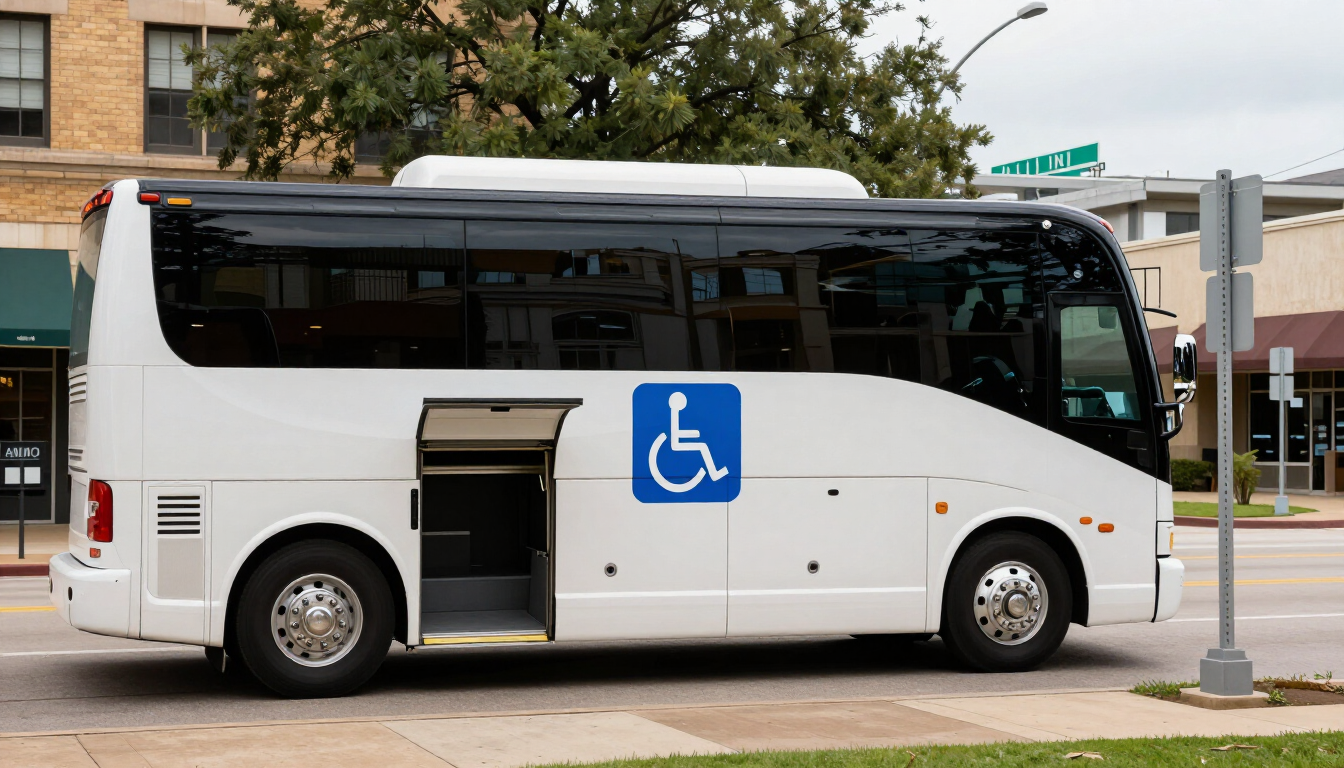
Employee Shuttle Programs: Guide to Last-Mile Transit (2026)
Employee shuttle programs provide private, scheduled transportation for staff between transit hubs, parking lots, and campuses. These contracted services solve the "last-mile" gap, reduce parking demand, and improve employee retention by offering a stress-free, reliable alternative to driving in congested urban areas like Houston or large corporate estates.
How do contracted employee shuttles work?
Contracted employee shuttle programs operate as a turnkey solution where a logistics partner like TMI manages the vehicles, drivers, and route scheduling. For a Transport Operations Director, this means outsourcing the complexities of vehicle maintenance, driver staffing, and compliance to a specialist. The service typically functions on a fixed-route basis, connecting employees from a centralized point, such as a METRO station or a suburban park-and-ride lot, directly to the office front door. This eliminates the uncertainty of public transit delays and the frustration of searching for parking in high-density areas.
Beyond just the physical transport, these programs are designed around your company’s specific shift times. A traditional 9-to-5 office and a manufacturing site running around the clock need different coverage, and the shuttle service is synchronized in either case to ensure no employee is left stranded. By bridging the gap between major transit arteries and the workplace, employee shuttle programs effectively expand your talent pool, allowing you to recruit from areas where commuting might otherwise be a deterrent.
The Mechanics of Campus Loops and Fixed Schedules
For organizations with sprawling headquarters or multiple buildings, campus loops are the backbone of daily mobility. A campus loop functions like a private transit system, with shuttles circulating at high frequency to move staff between buildings, cafeterias, and remote parking structures. The goal is to keep the workforce moving without requiring them to use personal vehicles for short trips across the property. Fixed schedules are the heartbeat of this system, providing a predictable rhythm that employees can rely on. When a shuttle arrives every ten minutes, staff spend less time waiting and more time being productive.
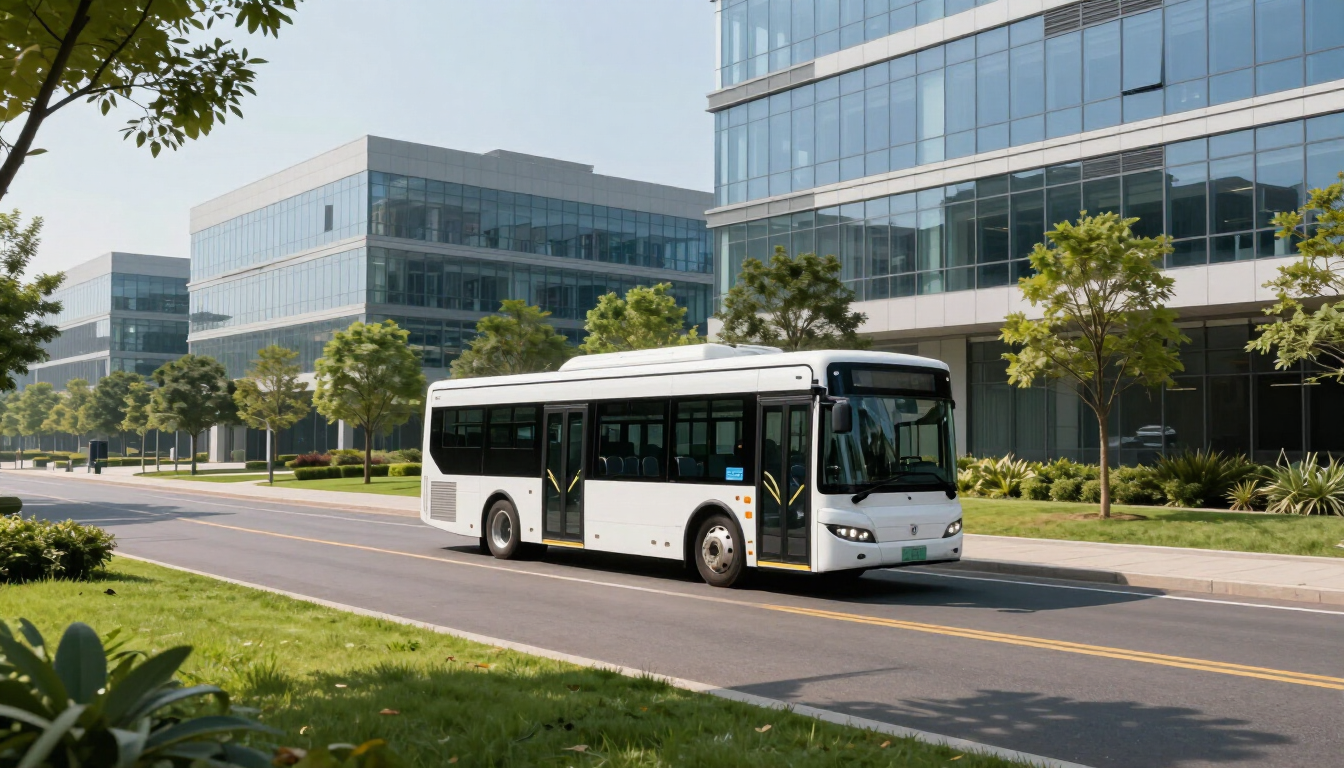
Managing these loops requires sophisticated logistics management. At TMI, we focus on optimizing these routes to minimize idle time and fuel consumption. By analyzing peak flow data, such as when lunch breaks occur or when the largest shifts change, we adjust the frequency of the loops to match demand. This level of customization is what separates a basic bus service from a true luxury shuttle service designed for modern corporate needs.
Why is last-mile transportation critical for your workforce?
Last-mile transportation refers to the final leg of a journey: the distance between a transportation hub and the final destination. In a city like Houston, where transit hubs may be miles away from corporate parks, this gap is a significant barrier to entry for many workers. If an employee has to take a train and then walk 20 minutes in the Texas heat, they are far more likely to choose a different employer or insist on driving their own car, further congesting your parking lots. Implementing employee shuttle programs solves this friction point immediately.
By providing a dedicated link, you aren't just offering a ride; you are offering a professional perk that enhances work-life balance. Employees can use the commute time to catch up on emails using onboard Wi-Fi or simply decompress before their shift starts. From an operational standpoint, this reduces the "parking premium", the high cost of building and maintaining parking garages, which can save a company millions in long-term capital expenditures. Our services are specifically tailored to help directors navigate these logistical hurdles while keeping overhead manageable.
Key Benefits of Last-Mile Shuttles
- Reduces employee stress and morning fatigue.
- Decreases the demand for on-site parking spaces.
- Lowers the company’s overall carbon footprint.
- Acts as a powerful recruitment and retention tool.
- Ensures punctual arrival regardless of local traffic.
Integrating With Public Transit Hubs
The most successful employee shuttle programs don't work in isolation; they integrate seamlessly with the existing city infrastructure. By timing shuttle arrivals to match the schedules of regional rail or express bus lines, you create a "frictionless commute." This strategy is particularly effective for businesses located in Houston's Energy Corridor or Downtown, where traffic congestion is a daily reality. A dedicated logistics partner handles the real-time adjustments needed when public transit is delayed, ensuring your employees are never left waiting at a station after dark.
Strategic integration also allows for data-driven decision-making. By tracking how many employees utilize the station-to-office link, Operations Directors can justify the investment in these programs through clear metrics on reduced vehicle miles traveled (VMT). This data is often essential for meeting corporate sustainability goals or local zoning requirements. As an industry leader, TMI understands how to bridge these gaps effectively, ensuring that your safety standards and efficiency goals are met at every turn.
What should you define before requesting a shuttle quote?
Before you reach out for a quote , having a clear set of parameters will ensure you receive an accurate and competitive proposal. Operations Directors should start by mapping out the "commuter shed" of their workforce—where are people coming from? Once you know the primary clusters of employee residences, you can identify the best transit hubs or park-and-ride lots to serve as shuttle pickup points. Defining the scope early prevents "scope creep" later in the contracting process.
You should also consider the level of service required. Do your employees need a basic transit experience, or is a luxury shuttle service with leather seating and high-speed internet more aligned with your corporate brand? The more detail you provide regarding the expected passenger count and the frequency of trips, the better a logistics provider can right-size the fleet. Over-estimating leads to wasted budget on empty seats, while under-estimating leads to crowded buses and disgruntled staff.
Requirements for an Accurate Quote
- Total number of daily eligible riders.
- Specific pickup and drop-off locations/coordinates.
- Required frequency (e.g., every 15 or 30 minutes).
- Operating hours (peak hours vs. mid-day loops).
- Desired vehicle amenities (Wi-Fi, power outlets).
Choosing the Right Fleet for Your Needs
The vehicle is the most visible part of your shuttle program, and it needs to reflect your company’s standards. A fleet for a campus loop might consist of smaller, agile 14-passenger vans that can navigate tight corners, while a long-distance commuter route from a park-and-ride lot might require a 35-passenger executive coach. Selecting the right vehicle type is a balance between capacity, comfort, and cost-efficiency.
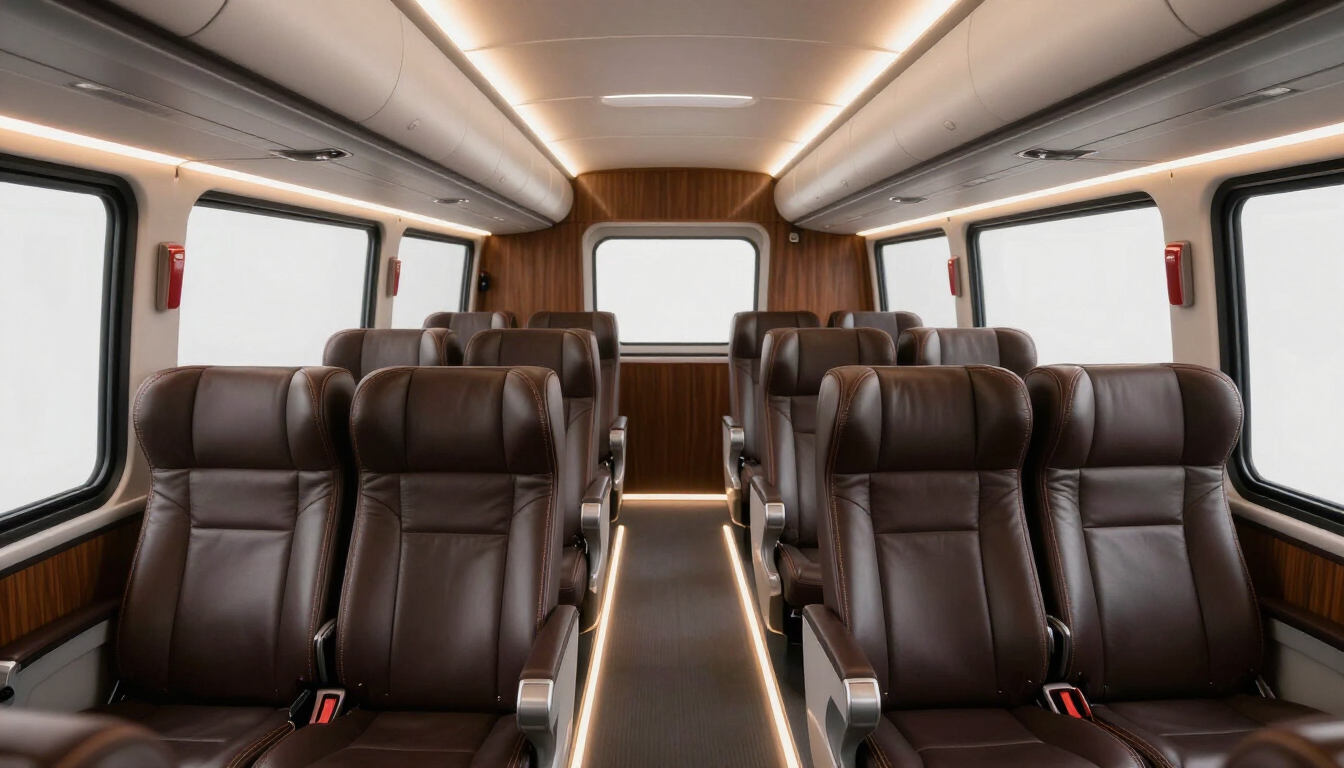
When evaluating our fleet , consider the terrain and the distance of the routes. For high-occupancy routes, larger vehicles reduce the total number of drivers needed, which is often the largest line item in a transportation budget. Conversely, for "executive" loops between local offices, a smaller, more frequent service is often preferred. TMI provides a diverse range of vehicles to ensure that your specific logistical footprint is covered without unnecessary waste. Our commitment to excellence ensures that every vehicle in the fleet is maintained to the highest standards, minimizing downtime and service interruptions.
How to evaluate a logistics partner like TMI?
Choosing a partner for your employee shuttle programs is a long-term commitment that impacts your daily operations. You need a provider that offers more than just buses; you need a partner with deep expertise in Texas logistics and a proven track record of reliability. Evaluating a partner should involve looking at their technology stack. Do they offer real-time GPS tracking for riders? How do they handle driver training and safety protocols? A conversational approach to partnership, where the provider acts as a consultant rather than just a vendor, is essential for a successful program.
At TMI, we pride ourselves on being the industry leader by staying ahead of transit trends and employee expectations. We understand the unique challenges of the Houston market, from navigating construction on I-10 to managing the heat-related needs of vehicle maintenance. If you are ready to improve your corporate transit, the best next step is to contact us to discuss your specific site requirements. We can help you transition from a disorganized parking lot to a streamlined, efficient shuttle system that pays dividends in employee satisfaction.
Summary of Employee Shuttle Benefits
Implementing a structured shuttle program is a strategic move that addresses the most common pain points of modern facility management. By bridging the last-mile gap and optimizing campus mobility, you create a more accessible and attractive workplace. The key to success lies in detailed pre-planning, selecting the right fleet size, and partnering with a logistics expert who understands the nuances of fixed-schedule operations.
Final Takeaways for Operations Directors
- Shuttle programs expand your recruitment reach by solving the last-mile problem.
- Fixed schedules and campus loops maximize employee productivity and site efficiency.
- Accurate data on rider volume is essential for a cost-effective quote.
- Technology-driven tracking improves the rider experience and operational oversight.
- Partnering with a Texas-based logistics leader ensures regional expertise and reliability.
A small office cluster and a massive industrial campus call for very different programs, but the right transportation solution exists for both. By defining your needs today, you can build a more mobile, efficient, and happy workforce for tomorrow.