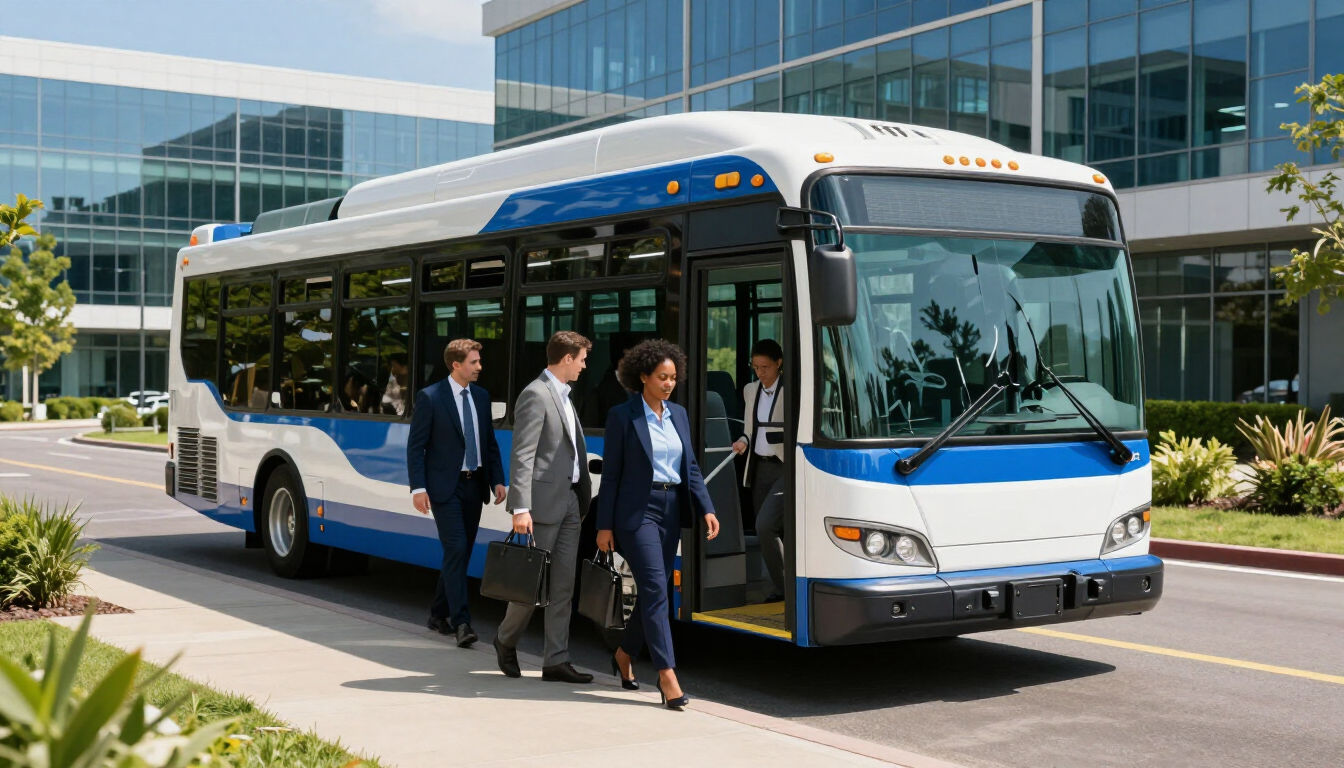
How to Book ADA-Accessible Group Transportation (2026)
Booking ADA-accessible group transportation requires confirming lift-equipped boarding, specifying the number of wheelchair positions, and verifying driver assistance protocols. For a seamless experience, always inquire about the vehicle's securement systems and build an extra 10–15 minutes per wheelchair user into your travel schedule for safe loading and securement.
What is ADA-accessible group transportation?
ADA-accessible group transportation refers to vehicles specifically designed or modified to provide safe and dignified travel for individuals with disabilities, in compliance with the Americans with Disabilities Act. In the world of Charter Bus services, this typically means a coach equipped with a hydraulic or electric lift, dedicated interior space for wheelchair securement, and specialized safety hardware. For a group coordinator, this isn't just about "having a ramp"; it is about ensuring that the entire logistics chain, from the height of the curb to the training of the operator,supports every rider equally.
When we talk about accessibility in Texas logistics, we are looking at a comprehensive service model. It involves more than just the hardware of the vehicle. It includes the communication between the booking agent and the group leader to ensure the fleet selection matches the specific physical requirements of the passengers. A church group and a collegiate athletic team have different needs, and understanding those nuances is the first step toward a successful journey.
The Essential Role of Lift-Equipped Boarding Systems
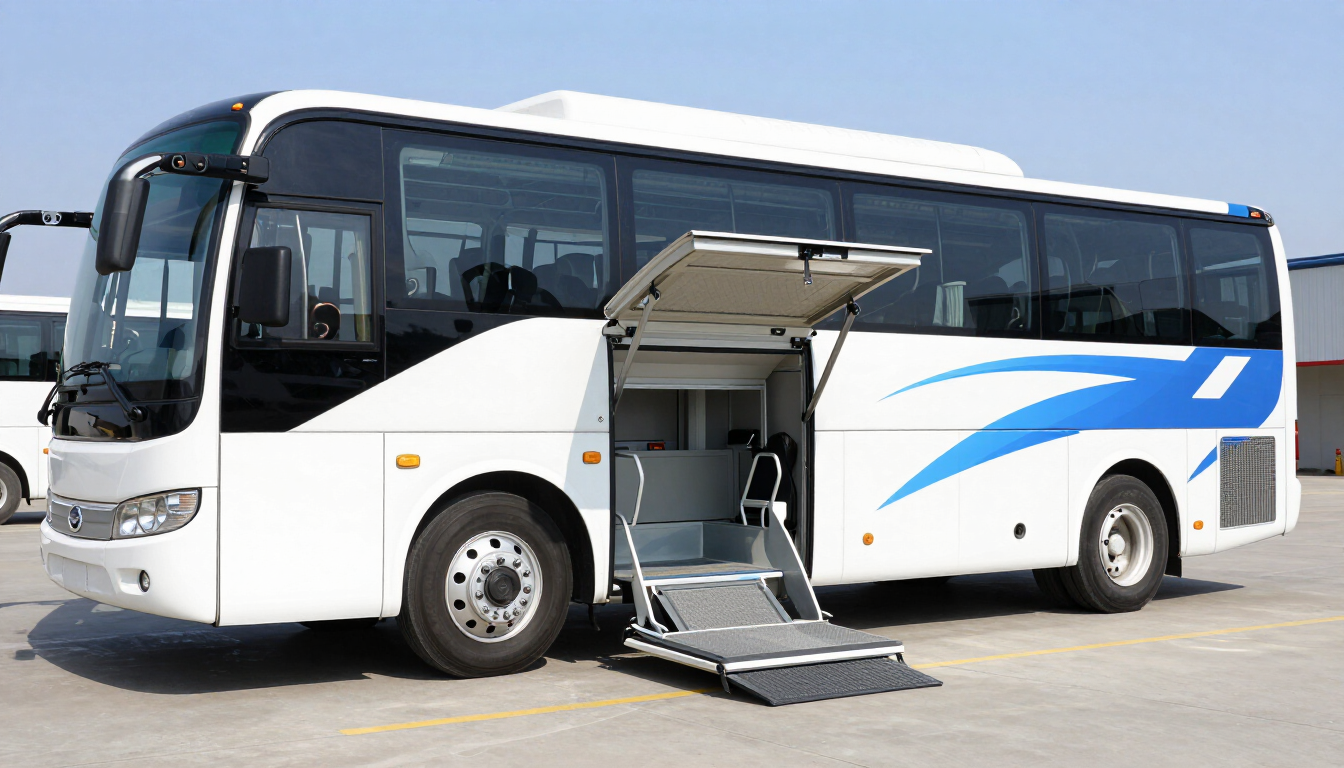
One of the most critical components to ask about during the Booking process is the type of lift-equipped boarding system the bus uses. Unlike residential ramps, commercial coach lifts are heavy-duty pieces of machinery designed to lift several hundred pounds. You should ask the provider about the weight capacity of their lifts. Most modern ADA coaches handle up to 600 or 800 pounds, which accommodates the weight of both the rider and a heavy motorized wheelchair.
It is also important to consider the "swing space" required for these lifts. When a lift deploys, it extends several feet from the side of the bus. This means your pickup and drop-off locations in Houston or elsewhere must have enough clearance. A narrow street or a crowded parking lot might prevent the lift from fully extending, causing significant delays. When discussing your route with a logistics expert, mention that you will be using a lift so they can scout the best locations for stopping.
How many wheelchair positions does a luxury coach provide?
This is perhaps the most common question we receive from coordinators. The number of wheelchair positions, often called "tie-down spots" or "securement locations", varies significantly depending on the bus model. Most standard full-sized motorcoaches can be configured to hold two wheelchairs. However, this usually requires the removal or folding of several standard seats.
If you have a larger group of wheelchair users, you must communicate this early. Some specialized shuttles can accommodate more, but the "trade-off" is always the total seating capacity for other passengers. For example, a bus that normally seats 56 might only seat 48 once two wheelchair positions are secured. Checking our Our Fleet page can give you a better idea of the different vehicle types available and how their interiors are configured for accessibility.
What specific assistance will the driver provide during the trip?
Driver assistance is a cornerstone of ADA-compliant service. It is not just about driving the bus; it is about the safety and comfort of the passengers during the boarding and de-boarding process. A professionally trained driver is responsible for:
- Operating the lift safely and ensuring the rider is positioned correctly on the platform.
- Securing the wheelchair using a four-point tie-down system (often called Q'Straint or similar).
- Ensuring the lap and shoulder belts are properly applied to the passenger.
- Communicating clearly with the passenger to ensure they feel secure throughout the process.
It is helpful to ask your provider about their Safety training programs. At TMI, we believe that the human element is just as important as the mechanical one. Our drivers are trained to be patient and respectful, recognizing that for many riders, the boarding process can be a point of stress. Knowing that a professional is managing the securement allows the group coordinator to focus on the rest of the group’s needs.
Why Texas Logistics Requires Local Expertise
Operating in Texas, particularly in high-traffic areas like Houston, Dallas, and San Antonio, presents unique logistical challenges. The heat alone is a factor. Hydraulic lifts need to be well-maintained to function in 100-degree weather, and climate control inside the bus is vital for passengers who may have sensitivity to temperature.
Furthermore, Houston's sprawling layout means that travel times can be unpredictable. When you work with a local leader in Services , you benefit from drivers who know which venues have the best ADA access points and which routes to avoid during peak hours. This local knowledge is invaluable for keeping your schedule on track and ensuring a smooth ride for everyone on board.
How much extra time is needed for accessible loading?
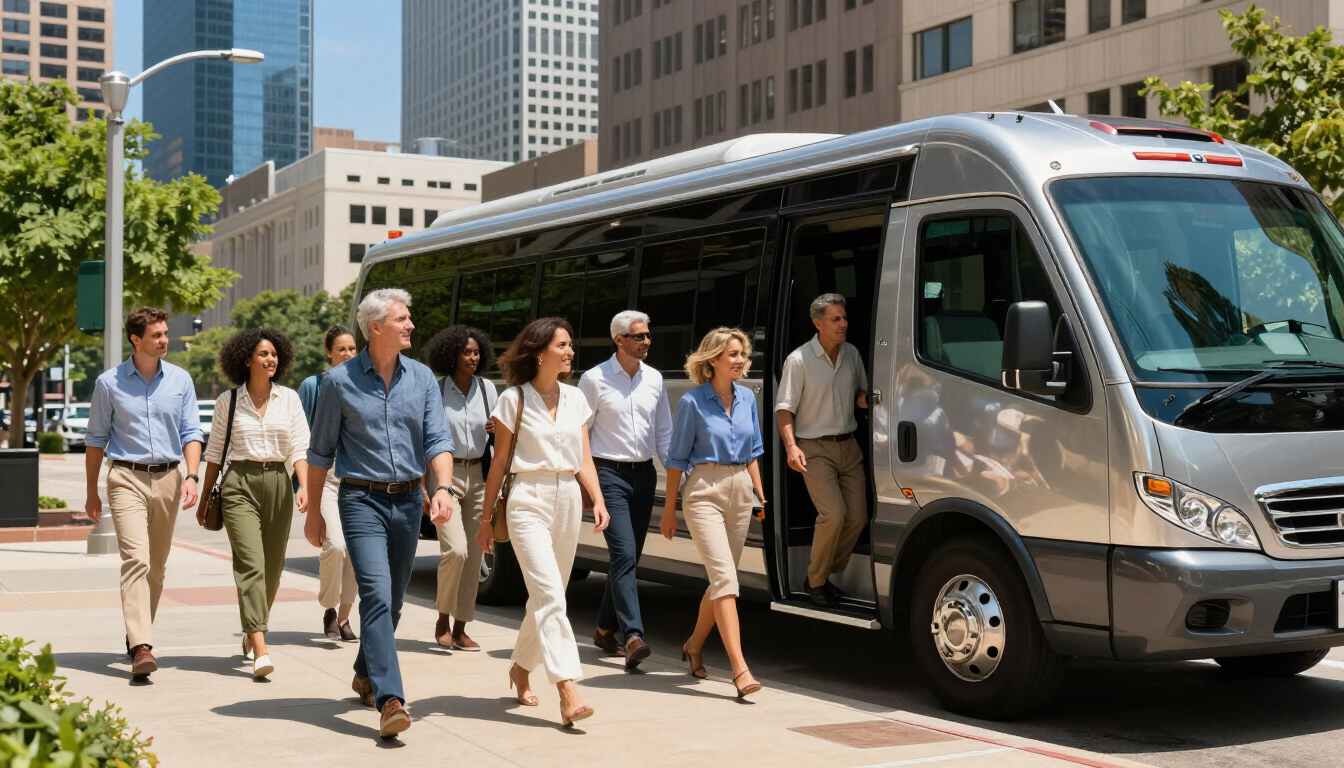
One of the biggest mistakes a coordinator can make is failing to account for the time it takes to board a passenger in a wheelchair. While a mobile passenger might step onto the bus in ten seconds, the process of deploying a lift, raising the passenger, and properly securing the chair inside can take anywhere from 5 to 15 minutes per person.
If you have four passengers using the lift, you could be looking at an additional hour of total loading time for the trip. We recommend building a "buffer" into your itinerary to ensure you aren't rushing the driver or the passengers. Rushing leads to safety oversights, and the goal is always a safe, comfortable journey.
Consider these timing factors:
- Deploying and stowing the lift (3–5 minutes).
- Positioning and securing the wheelchair (5–7 minutes).
- Verifying seatbelt and safety checks (2 minutes).
- Arrival at the destination for the reverse process.
How to verify the safety features of a potential charter?
When you are vetting a company for Service Areas across Texas, don't be afraid to get technical. Ask to see maintenance records for the lifts or photos of the securement systems. A reputable company will be proud to show off their commitment to safety. You should also check online reviews and their FAQ section to see how they handle specialty travel requests.
Safety isn't just a buzzword; it’s a measurable standard. Ensure the company carries the appropriate insurance and that their vehicles undergo regular DOT inspections. For ADA coaches, the inspection of the lift mechanism is a crucial part of that routine. A breakdown of a lift in the middle of a trip is more than an inconvenience; it can be a significant safety risk for the passenger who needs to de-board.
Calculating the Perfect Travel Schedule for Accessible Groups
To create a perfect schedule, start with your "must-arrive" time and work backward. If your corporate event in downtown Houston starts at 9:00 AM, and you have two wheelchair users, you should aim to arrive at 8:30 AM to allow for de-boarding. Subtract the travel time, and then add at least 20 minutes to your departure time for the initial boarding.
This proactive approach reduces stress for the group and ensures that the driver can perform all safety checks without feeling pressured by the clock. It also allows for unexpected delays, such as road construction or heavy traffic, which are common in the Houston metro area. A relaxed schedule is a successful schedule.
5 Critical Questions to Ask Your Transportation Provider
Before you sign a contract, ensure you have clear answers to these five questions to guarantee the vehicle meets your specific needs:
- What is the certified weight capacity of the bus lift? This ensures it can handle modern, heavy power chairs.
- How many wheelchair tie-down positions are available without removing additional seats? This helps you manage your total passenger count accurately.
- Are your drivers specifically trained in ADA securement protocols? Driver expertise is the most important factor in passenger safety.
- Is there an onboard restroom, and is it accessible? While not all bus restrooms are fully ADA-compliant, some offer more space than others.
- What is the backup plan if the lift encounters a mechanical issue? Knowing the company has a contingency plan provides peace of mind.
Final Checklist: Booking Your Next Journey with Confidence
Booking ADA-accessible group transportation doesn't have to be complicated, provided you have the right information and a dedicated partner. By focusing on the lift capabilities, the number of securement spots, and the expertise of the driver, you set the stage for a trip that is inclusive, safe, and efficient. Remember to communicate your needs early and build extra time into your schedule to accommodate the loading process.
If you have more questions about how we handle specialty travel, feel free to visit our About Us page to learn more about our commitment to excellence. At TMI, we pride ourselves on being the preferred choice for Houston organizations that refuse to compromise on quality or accessibility. If you are ready to start your journey or just need a preliminary Quote , our team is here to help you navigate the logistics of group travel with ease.
In summary, remember these key takeaways:
- Prioritize lift weight capacity and clearance space.
- Confirm the exact number of wheelchair positions versus total seats.
- Ensure drivers are trained in four-point securement.
- Budget 15 minutes per wheelchair user for loading/unloading.
- Partner with a local expert who understands the Texas landscape.
By following these steps, you ensure that every member of your group, regardless of mobility, enjoys a premium travel experience. Ready to get started? Reach out to Contact Us today.